Natural Energy. Nothing Else. That's not just a tagline. It's the principle behind everything TRIBE makes: the closer food stays to how nature made it, the more it tends to give you. The food on your plate, the bar in your bag, the shake after training - all of it shapes how you feel today and how well you stay over the decades ahead. For more on the science of what we eat, explore the Nutrition Hub.
This guide covers natural versus ultra-processed food, what the research shows, and how to make the shift without overhauling your life. Evidence first. No hype.
What Are Natural Foods?
Natural foods come directly from nature and go through minimal processing: whole fruit and vegetables, nuts and seeds, wholegrains like oats and barley, beans and lentils, eggs, fish and meat. They keep their nutritional value because nothing has been refined out and nothing synthetic has been added in.
Natural, Organic and Processed: What's the Difference?
- Natural foods stay close to their original state, with no synthetic additives or heavy refinement.
- Organic foods are certified against farming standards that restrict synthetic pesticides and fertilisers and prohibit GMOs. It's a standard for how food is grown, not how much it's processed afterwards.
- Processed foods have been changed from their original form. That covers a huge spectrum, from frozen peas to fizzy drinks, which is why the next section matters.
"Natural" on the front of a pack isn't policed as tightly as "organic", so the ingredient list always tells you more than the packaging.
What Is Ultra-Processed Food?
This is the question most people are really asking. Ultra-processed food (UPF) is made mostly from substances extracted or refined from whole foods - oils, fats, sugars, starches and proteins - then reassembled, often with additives such as emulsifiers, flavourings, colours and sweeteners you wouldn't find in a home kitchen [1]. Think mass-produced packaged bread, many breakfast cereals, fizzy drinks, instant noodles and reconstituted meat products.
The NOVA Classification
Most UPF research uses the NOVA system, which sorts foods into four groups by degree of processing: unprocessed or minimally processed foods, processed culinary ingredients (oils, butter, sugar, salt), processed foods (tinned beans, cheese, fresh bread) and ultra-processed foods [1]. NOVA judges the processing, not the nutrients, so a food can be high in protein or fibre and still count as ultra-processed.
What the Research Found
The biggest overview so far is a 2024 umbrella review in The BMJ, which brought together 45 pooled meta-analyses covering almost 10 million people [1]. It found convincing evidence linking higher UPF intake to around a 50% higher risk of death from cardiovascular disease, and to higher risks of anxiety, common mental disorders and type 2 diabetes. Highly suggestive evidence also linked it to a higher risk of death from any cause [1].
Two honest caveats. These are mostly observational studies: strong, consistent associations, not proof that processing itself is the cause, and the quality of evidence varied between outcomes [1]. And not all processing is a problem. Frozen vegetables, tinned beans and plain yoghurt are processed and perfectly good food. The practical message is simpler than the debate: the more of your diet you build from whole and minimally processed foods, the less room there is for the foods the research keeps flagging.
That applies to us too. Any packaged bar has been through some processing. What we control is what goes into ours, and that means nothing artificial.
The Nutritional Case for Eating Natural
Whole foods tend to be nutrient-dense: more vitamins, minerals and fibre per calorie than their refined equivalents, because less has been stripped out along the way.
Fibre
Fibre is the clearest example of what refining takes away. Mill wholegrains into white flour and the bran and germ go, along with most of the fibre. Found in wholegrains, beans, lentils, fruit, vegetables, nuts and seeds, fibre slows how quickly sugar reaches your bloodstream, keeps you fuller for longer and feeds the bacteria in your gut [2]. UK adults are advised to eat 30g a day [3], and most of us fall well short. Our guide to dietary fibre and why it matters covers the gap and how to close it.
Antioxidants and Healthy Fats
Berries, leafy greens, nuts, seeds and olive oil are rich in polyphenols and other plant compounds, alongside vitamins C and E, which contribute to the protection of cells from oxidative stress [4]. Researchers point to this plant-heavy, polyphenol-rich profile as one reason the Mediterranean diet is linked to lower inflammation and better cardiovascular health [5].
Omega-3 fats from oily fish, and the unsaturated fats in nuts, seeds and olive oil, are the fats worth prioritising. A major review in the Journal of the American College of Cardiology found that omega-3 intake lowers plasma triglycerides, resting heart rate and blood pressure, and may reduce the risk of cardiovascular death [6]. The omega-3s EPA and DHA contribute to the normal function of the heart, and DHA contributes to the maintenance of normal brain function [4].
B Vitamins and Magnesium
Wholegrains, leafy greens, beans, nuts and seeds are natural sources of B vitamins and magnesium, two of the micronutrients most closely tied to how energetic you feel. Magnesium and vitamin B6 contribute to normal energy-yielding metabolism, normal psychological function and the reduction of tiredness and fatigue [4, 7]. A 2020 review describes how B vitamins and magnesium work together in the body's energy-producing pathways and brain function [8]. For the full picture, read what magnesium actually does for your energy and focus.
The Health Benefits: What the Research Shows
The case for natural, minimally processed diets rests on decades of research, from large cohort studies to randomised trials. The details vary. The direction doesn't.
Heart Health and the Mediterranean Diet
The Mediterranean diet - vegetables, fruit, wholegrains, beans, nuts, olive oil and fish, with little processed food - has one of the strongest evidence bases of any dietary pattern [5]. In the PREDIMED trial, people at high cardiovascular risk who followed a Mediterranean diet supplemented with extra virgin olive oil or nuts had around 30% fewer major cardiovascular events (heart attack, stroke or cardiovascular death) than a control group advised to cut fat, with the clearest effect on stroke [9]. A BMJ meta-analysis found that each two-point increase in a Mediterranean diet adherence score was associated with a 9% lower risk of death from any cause and from cardiovascular disease [10].
Gut Health and Your Microbiome
Your large intestine is home to trillions of bacteria, and the fibre in plant foods is their main food source. As they ferment it, they produce short-chain fatty acids such as butyrate, the main fuel for the cells lining your colon [11]. A 2022 systematic review of 44 studies in healthy adults found that increasing fibre reliably changed the composition of the gut microbiota, although effects on short-chain fatty acid levels varied between studies [12]. Different fibres feed different microbes, which is the real argument for variety. Those fatty acids are also part of the gut-brain axis, the two-way communication between gut and brain, though much of that evidence still comes from animal studies [11].

This is where TRIBE Protein Superblend fits. It's an all-in-one shake with 20g of pea and rice protein per serving, and the fibres it contains, inulin and acacia fibre, are the fermentable kind, alongside 1.5 billion CFU of ActiBio® live cultures, a five-enzyme digestive blend and 13 vitamins and minerals. It isn't a high-fibre product - around 2-3g per serving - so treat it as an easy addition to breakfast or a post-training shake, with whole foods carrying most of your 30g.
Blood Sugar, Fullness and Steady Energy
Soluble fibre in oats, barley, beans and apples forms a gel that slows how quickly glucose reaches your bloodstream. Beta-glucan from oats and barley, eaten as part of a meal, contributes to the reduction of the blood glucose rise after that meal [4]. Fibre also slows stomach emptying, and the short-chain fatty acids it produces stimulate GLP-1 and PYY, two gut hormones involved in feeling full [11]. The result is fewer sharp spikes, fewer of the crashes that follow, and meals that last longer - the pattern behind a lot of afternoon slumps, which we unpack in why no caffeine is the better choice for sustained energy.
Mental Performance
A diet that regularly supplies B vitamins, magnesium and omega-3s from wholegrains, greens, beans, nuts and fish is the foundation for feeling sharp. We built TRIBE Protein + Focus around the same idea. Every bar is made with 100% natural ingredients and contains eight B vitamins and 56.25mg of magnesium (15% of the daily NRV), with 10g of plant protein and zero caffeine. Vitamin B6 and magnesium contribute to normal psychological function, and vitamins B2, B3, B5, B6, B12, folate and magnesium contribute to the reduction of tiredness and fatigue [4].
Every bar is also made with 100mg of Lion's Mane extract and 100mg of Panax Ginseng extract - two natural functional ingredients with centuries of use in traditional East Asian wellness, and two of the most talked-about ingredients in nutrition right now. Our guide to Lion's Mane goes deep on the science behind them.

Natural Food and Performance: Fuel That Works
For the TRIBE - runners, cyclists, gym-goers, hikers, anyone who trains with intent - natural food isn't only about long-term health. It's about how today's session goes. Whole-food carbohydrate, fibre and protein release energy more steadily than a sugar hit, and it shows in the second hour of a long run.
Before training: complex carbohydrates from oats and wholegrains, eaten a few hours before, help top up the glycogen your muscles rely on. During endurance efforts: beyond an hour or so, you need easily digested carbohydrate, and dates, bananas and soft oat flapjacks work well for many people as a real-food alternative to gels. Practise your fuelling in training, never for the first time on race day. After training: protein supports recovery, and contributes to the growth and maintenance of muscle mass [4].

That's the brief Protein + Focus was built to: a grab-and-go bar for before or after a session, or the mid-afternoon slot when lunch feels a long time ago. The Choc Brownie and Peanut Butter flavours carry 7-8g of fibre per bar from oats and chicory root fibre, alongside 10g of plant protein and B vitamins and magnesium that contribute to normal energy-yielding metabolism [4, 8]. No caffeine, so there's nothing to crash from.
Natural Foods and the Environment: Why Regenerative Farming Matters
What you eat doesn't only affect you. It affects the soil, water and wildlife of the systems that feed you. Regenerative farming aims to work with those ecosystems rather than against them, typically prioritising soil health and biodiversity [13]. Wildfarmed, our regenerative grain partner, puts that into practice: its farming standards are built around improving soil health, increasing biodiversity, reducing carbon and minimising water pollution [14].

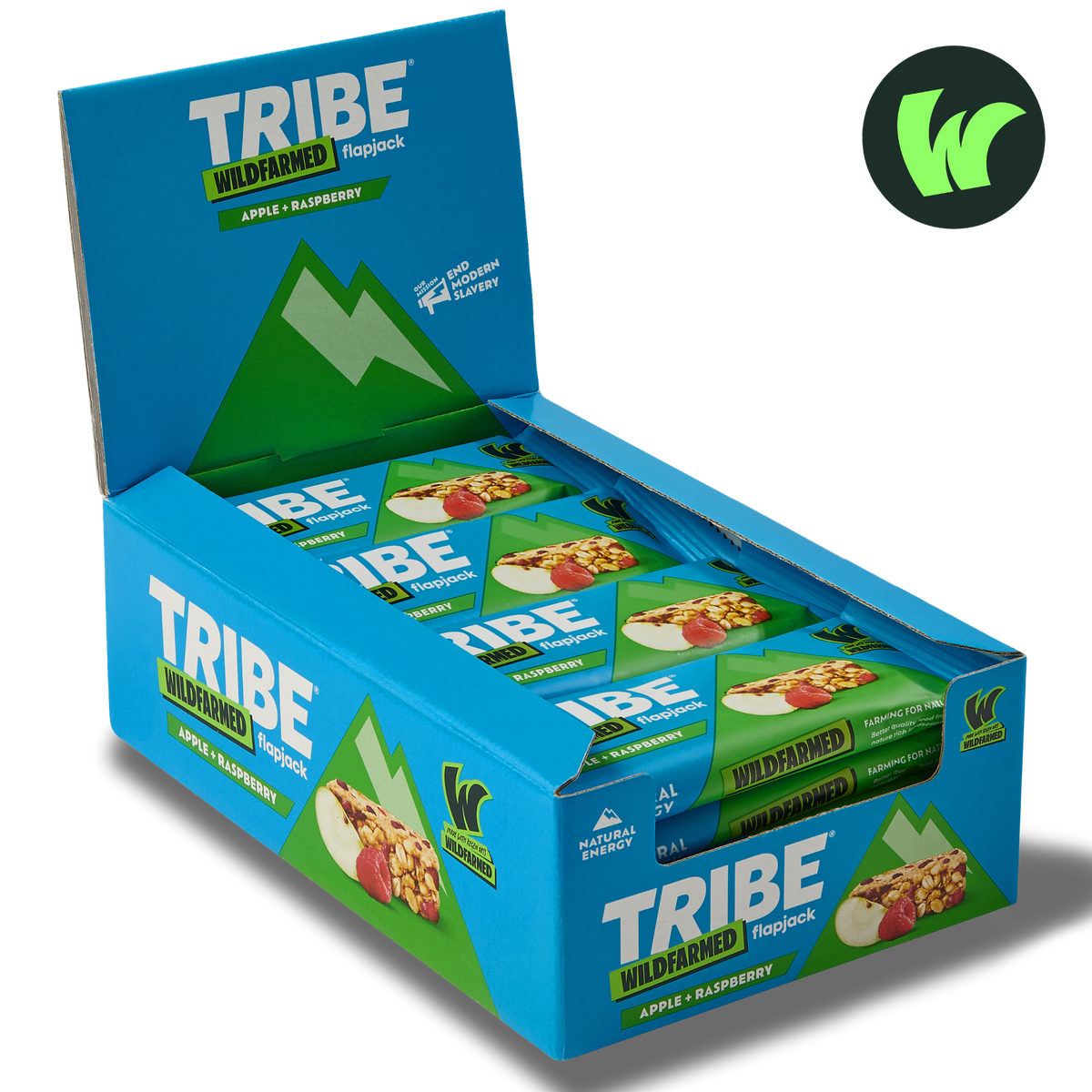
That's the thinking behind TRIBE x Wildfarmed Flapjacks, the UK's first flapjack made with regeneratively farmed Wildfarmed oats. Each 50g bar gives around 30g of natural carbohydrate from whole oats, with real fruit pieces in the fruit flavours. Choose from Apple & Raspberry, Blueberry & Almond Butter, Toffee Pecan & Raisin and the newest, Choc Hazelnut. Vegan (they do contain gluten), soft and chewy, they work as real-food run fuel or an everyday wholegrain snack.
How to Read a Food Label
"100% natural" sounds clear. It often isn't. The front of the pack is marketing. The ingredient list is the truth.
- Shorter is usually better. Fewer ingredients generally means closer to whole food.
- Recognise what you're reading. If an ingredient sounds like it came from a lab rather than a kitchen, question it.
- Check for cosmetic additives. Artificial sweeteners, colours, flavourings and emulsifiers are typical markers of ultra-processed food [1].
- Spot hidden sugars. Glucose syrup, dextrose, invert sugar syrup and maltodextrin are sugars or fast-digesting carbohydrates under another name.
- Check fibre per 100g. In the UK, "source of fibre" means at least 3g per 100g and "high fibre" at least 6g per 100g [15].
Practical Steps to Build a More Natural Diet
Small, repeatable swaps are what stick. Replace one processed item at a time: porridge oats instead of a sugary cereal, nuts instead of crisps, a bar with a short, recognisable ingredient list instead of a processed cereal bar. Batch cook grain bowls, soups and bean or lentil dishes so the natural choice is the easy one on busy days. Plan around colour, because different plants bring different nutrients and different fibres feed different gut bacteria [12]. And plan your snacks: a lot of UPF sneaks in between meals.
The Bottom Line
Natural foods aren't a trend. They're what human bodies have always run on. The research on ultra-processed food points one way [1], the research on Mediterranean-style eating points the other [5, 9], and fibre, healthy fats, B vitamins and magnesium sit at the centre of both. The shift isn't complicated: more whole food, fewer ingredient lists you can't read. Natural Energy. Nothing Else.
Every TRIBE product purchased donates 1p to the TRIBE Freedom Foundation - over £2.4 million raised to date.
Frequently Asked Questions
Q: What counts as ultra-processed food?
A: Under the NOVA system used in most research, ultra-processed foods are industrial formulations made mostly from refined or extracted ingredients, often with additives like emulsifiers, flavourings and sweeteners [1]. Fizzy drinks, many breakfast cereals and reconstituted meats are typical examples.
Q: Is all processed food bad for you?
A: No. Frozen vegetables, tinned beans, plain yoghurt and oats are all processed to some degree and are good food. The concern centres on ultra-processed food, and even there the evidence is mostly observational [1].
Q: How do I know a TRIBE bar is genuinely natural?
A: Read the ingredient list. Every TRIBE Protein + Focus bar contains 100% natural ingredients, with nothing artificial. When we couldn't find a bar with genuinely natural ingredients that actually performed, we built one.
Q: How do TRIBE bars give you energy without caffeine?
A: Through oats, fibre and protein, which release energy steadily, plus B vitamins and magnesium, which contribute to normal energy-yielding metabolism [4]. Protein + Focus in Choc Brownie and Peanut Butter carries 7-8g of fibre per bar. Zero caffeine, so no spike and no crash.
Q: Which TRIBE product contains fermentable fibre and live cultures?
A: Protein Superblend: 20g of plant protein, inulin and acacia fibre, 1.5 billion CFU of ActiBio® live cultures and a five-enzyme blend per serving. A useful addition to a fibre-rich diet, not a replacement for one.
Q: Can TRIBE bars help with focus?
A: Protein + Focus was designed for long afternoons. Vitamin B6 and magnesium contribute to normal psychological function and the reduction of tiredness and fatigue [4]. Every bar also brings 100mg each of Lion's Mane and Panax Ginseng extract, with zero caffeine.
References: [1] Lane MM et al. Ultra-processed food exposure and adverse health outcomes: umbrella review of epidemiological meta-analyses. BMJ. 2024;384:e077310. [2] Cronin P, Joyce SA, O'Toole PW, O'Connor EM. Dietary Fibre Modulates the Gut Microbiota. Nutrients. 2021;13(5):1655. [3] Scientific Advisory Committee on Nutrition. Carbohydrates and Health. 2015. [4] Commission Regulation (EU) No 432/2012 establishing a list of permitted health claims made on foods (as retained in UK law). [5] Barbería-Latasa M, Martínez-González MA. The Mediterranean diet and cardiovascular disease. Cardiovascular Research. 2025;121(16):2465-2475. [6] Mozaffarian D, Wu JHY. Omega-3 Fatty Acids and Cardiovascular Disease: Effects on Risk Factors, Molecular Pathways, and Clinical Events. Journal of the American College of Cardiology. 2011;58(20):2047-2067. [7] EFSA NDA Panel. Health claims related to Vitamin B6. EFSA Journal. 2010;8(10):1759. [8] Tardy AL, Pouteau E, Marquez D, Yilmaz C, Scholey A. Vitamins and Minerals for Energy, Fatigue and Cognition: A Narrative Review of the Biochemical and Clinical Evidence. Nutrients. 2020;12(1):228. [9] Estruch R, Ros E, Salas-Salvado J, et al. Primary Prevention of Cardiovascular Disease with a Mediterranean Diet Supplemented with Extra-Virgin Olive Oil or Nuts. New England Journal of Medicine. 2018;378(25):e34. [10] Sofi F, Cesari F, Abbate R, Gensini GF, Casini A. Adherence to Mediterranean diet and health status: meta-analysis. BMJ. 2008;337:a1344. [11] Dalile B, Van Oudenhove L, Vervliet B, Verbeke K. The role of short-chain fatty acids in microbiota-gut-brain communication. Nature Reviews Gastroenterology & Hepatology. 2019;16(8):461-478. [12] Vinelli V, Biscotti P, Martini D, et al. Effects of Dietary Fibers on Short-Chain Fatty Acids and Gut Microbiota Composition in Healthy Adults: A Systematic Review. Nutrients. 2022;14(13):2559. [13] Newton P, Civita N, Frankel-Goldwater L, Bartel K, Johns C. What Is Regenerative Agriculture? A Review of Scholar and Practitioner Definitions Based on Processes and Outcomes. Frontiers in Sustainable Food Systems. 2020;4:577723. [14] Wildfarmed. Regenerative Farming Standards. wildfarmed.com. [15] Regulation (EC) No 1924/2006 on nutrition and health claims made on foods, Annex (as retained in UK law).